PROCESS SELECTION HUB
Custom Cutting & Converting Capabilities
Cutting and converting routes for flexible sheet materials, selected around the drawing, material construction, project stage and required part presentation.
Discuss Your DrawingHow is a cutting process selected?
The right process is selected from the project conditions rather than the part name. A drawing defines the profile, while material behavior, thickness, geometry, quantity, tooling needs, handling format and design maturity determine whether a cutting or converting route is appropriate.
CUSTOM RUBBER PARTS
Specify Your Part. Plan Your Order.
Explore custom dimensions, materials, hardness, color, adhesive backing and packing, with MOQ guidance for prototypes and production.
PROCESS OPTIONS
What Each Process Solves
Each capability answers a different manufacturing problem. The same material can move through different routes as a project develops.
Cutting Processes
Profile-cutting methods selected around material, geometry and project stage.
 Capability
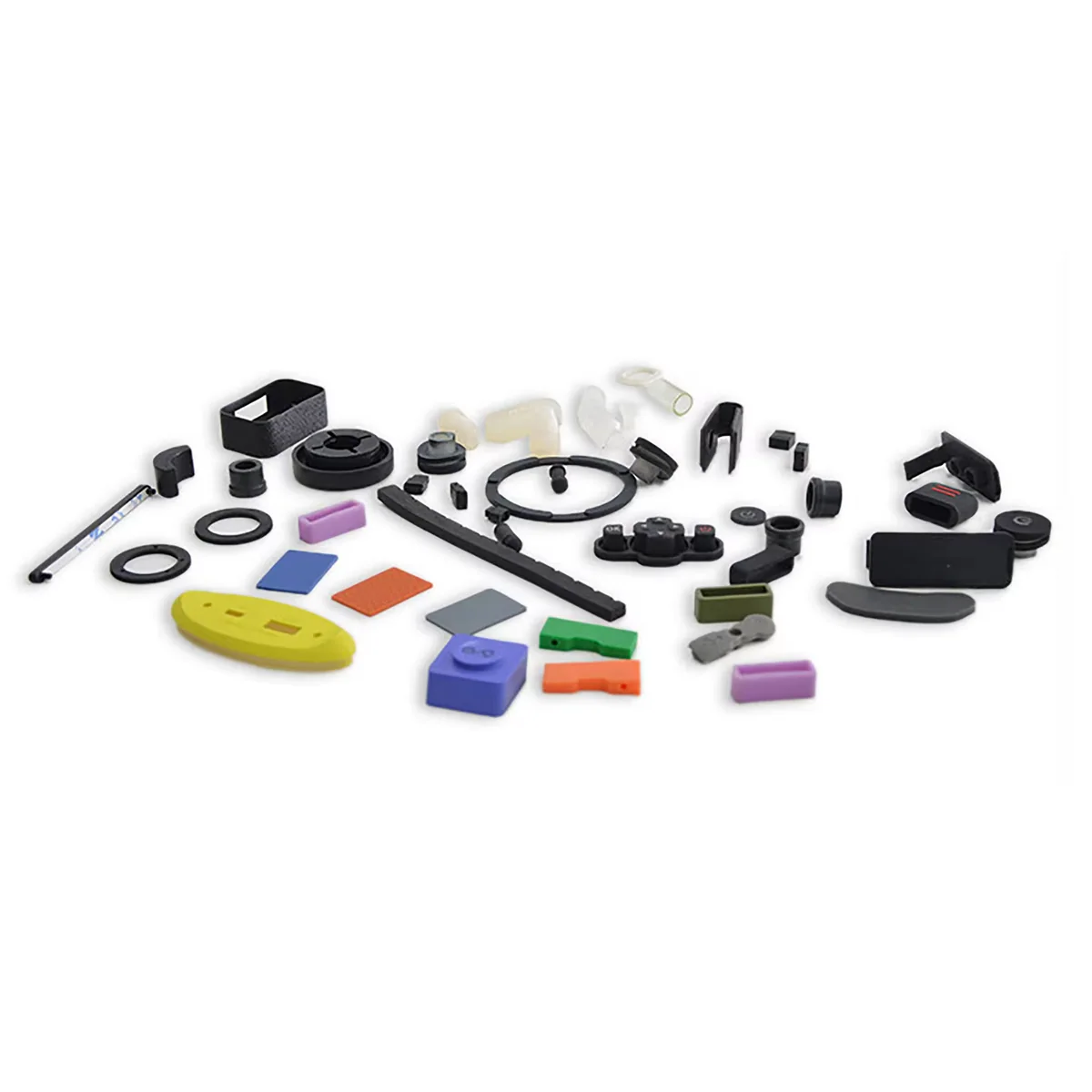
 CNC Knife Cutting
A tooling-light cutting route for flexible sheet profiles, useful when designs are being iterated or volumes vary. Learn about CNC Knife Cutting →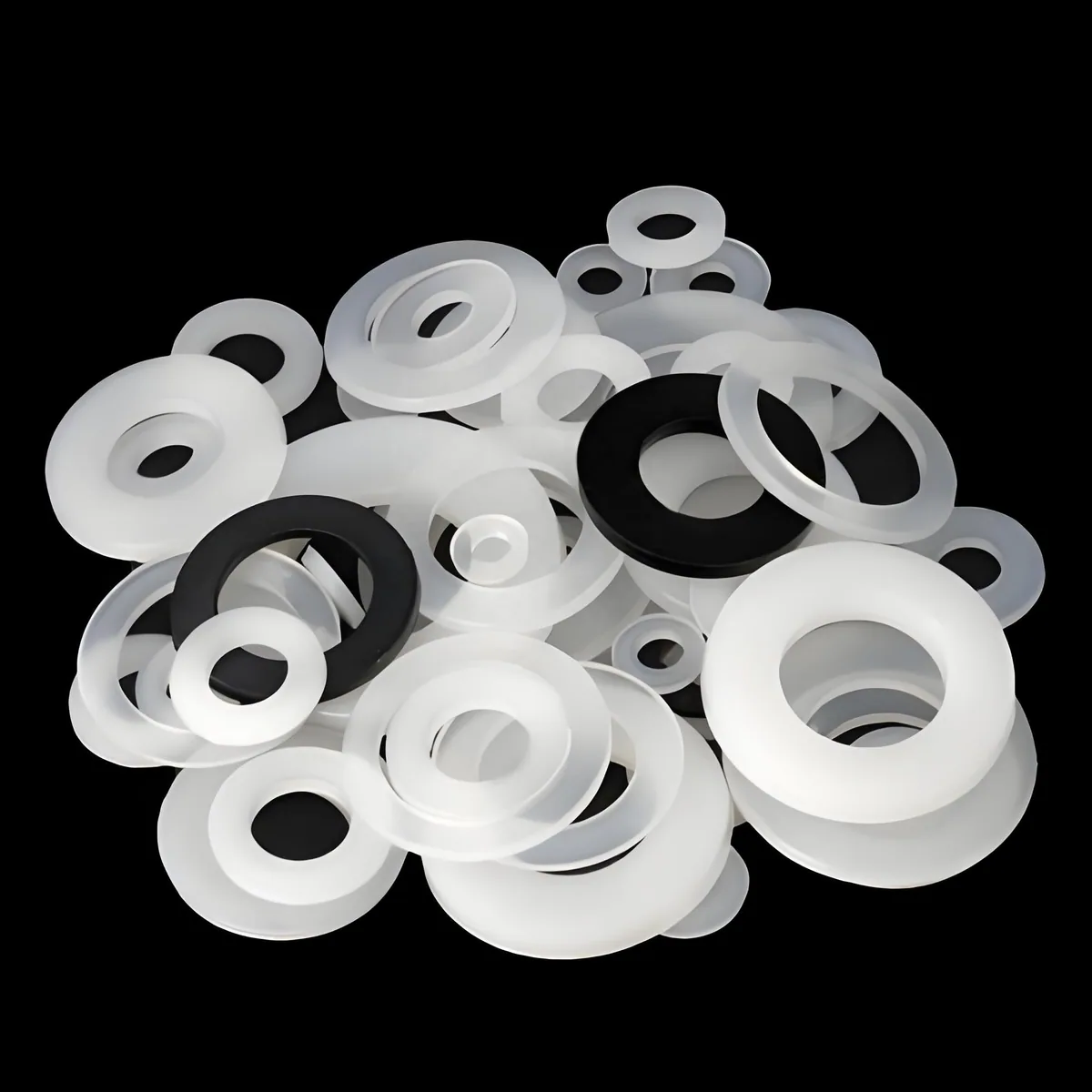 Capability
 Custom Die Cutting
A repeat-profile cutting route that uses a cutting tool and is reviewed for production-oriented part programs. Learn about Custom Die Cutting →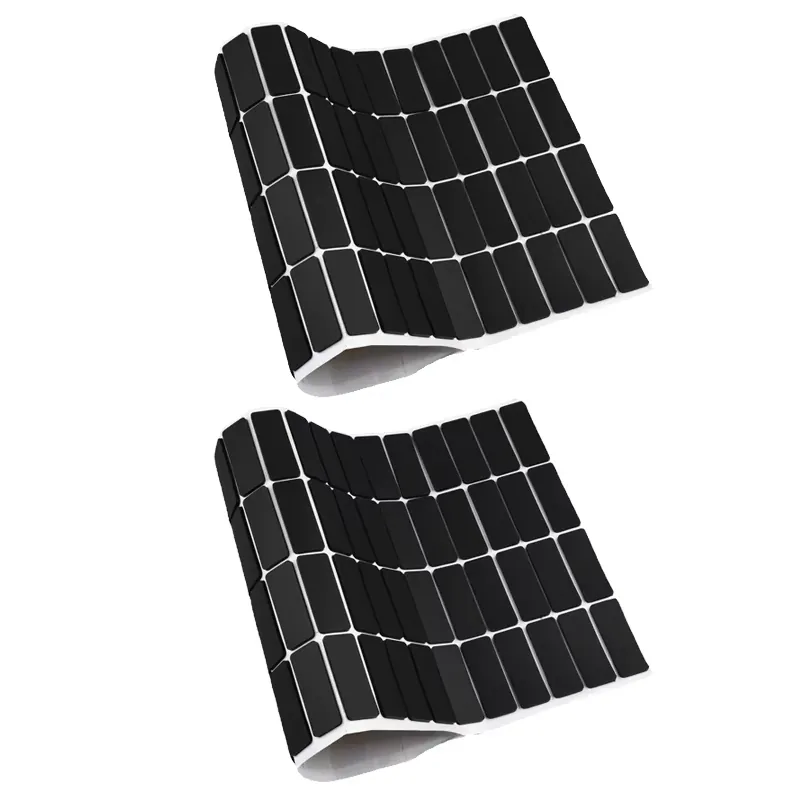 Capability
 Kiss Cutting
A converting method that cuts the component layer while the carrier liner remains intact for handling or placement. Learn about Kiss Cutting →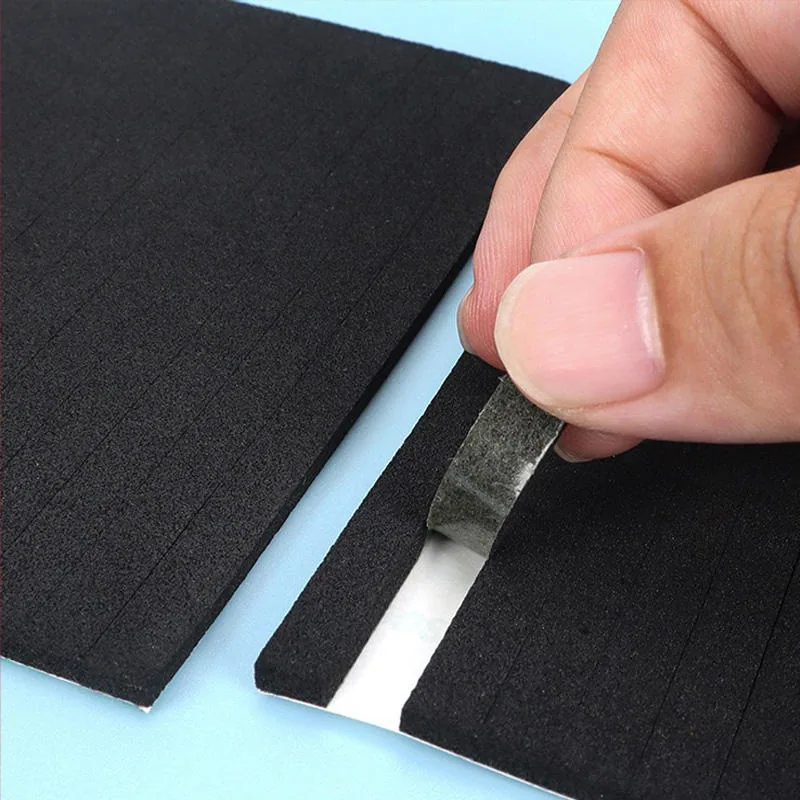 Capability
 Custom Material Slitting
A pre-processing route that converts sheet or roll material into specified strip widths for downstream use. Learn about Custom Material Slitting →Adhesive & Laminating
Construction-focused steps for mounting and multi-layer material combinations.
 Capability
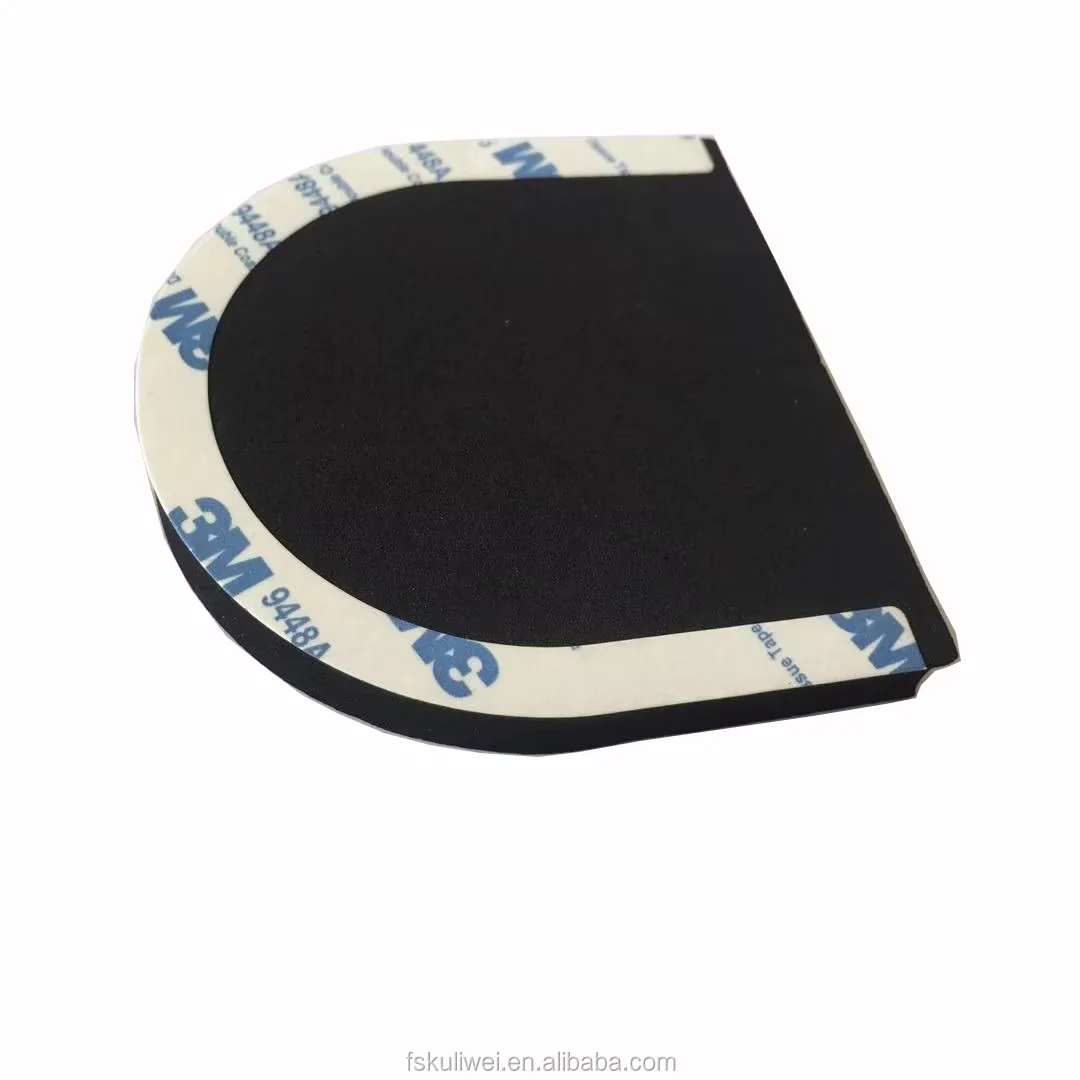
 Adhesive Backing
A material-construction step that adds an adhesive and liner suited to the mounting surface and assembly conditions. Learn about Adhesive Backing →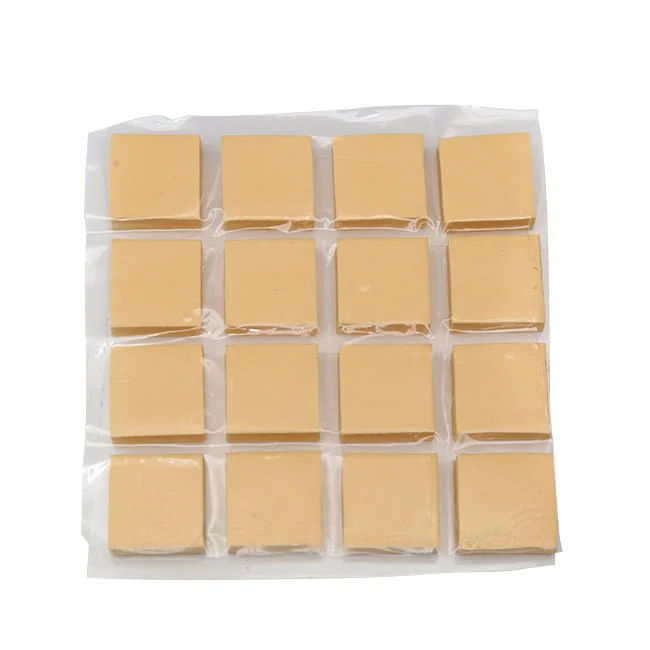 Capability
 Industrial Laminating
A process for combining compatible layers into a material construction before or alongside profile cutting. Learn about Industrial Laminating →Prototype & Production Routes
Project approaches that help connect drawing review with the eventual manufacturing route.
PROCESS MATRIX
Process Selection Matrix
These are directional comparisons. Tooling, production suitability and final output depend on the actual material construction and drawing review.
| Process | Best suited for | Tooling | Project stage | Common output | Key input |
|---|---|---|---|---|---|
| CNC Knife Cutting | Flexible sheet profiles and design changes | Tooling-light | Prototype or variable-volume review | Cut profiles | Material, geometry, edge requirement |
| Custom Die Cutting | Repeat profiles | Cutting tool required | Production-oriented programs | Repeat components | Volume, tool approach, material |
| Kiss Cutting | Liner-retained adhesive components | Construction dependent | Assembly-focused projects | Parts on a liner | Liner, adhesive and handling |
| Slitting | Specified strip material | Set-up dependent | Material preparation | Strips or rolls | Construction, width, downstream use |
| Laminating | Compatible material layers | Construction dependent | Prototype through production | Layered material | Layer compatibility and bond need |
COMPARISON
Die Cutting vs CNC Knife Cutting
Neither route is universally better. The choice depends on the project conditions below.
| Decision point | CNC Knife Cutting | Custom Die Cutting |
|---|---|---|
| Tooling | Often reviewed where a tooling-light approach supports iteration. | Uses a cutting tool and is reviewed where repeat profiles support the tooling approach. |
| Setup & changes | Can suit projects where the design is still changing. | Changes may require revisiting the cutting tool. |
| Project stage | Often considered for prototypes or variable-volume work. | Often considered for repeat production programs. |
| Part presentation | Cut profile and handling are reviewed by project. | Profile, tooling and delivery format are reviewed together. |
| Material & geometry | Flexible sheet behavior and the profile affect feasibility. | Material construction and profile affect tooling suitability. |
PROJECT STAGE
Process Selection by Project Stage
As a project moves from a drawing to repeat manufacturing, the questions change.
Focus on geometry, material options, design iteration and a practical route for sample review.
Review repeatability, material construction, adhesive or liner needs and handling format.
Consider repeat profile, tooling, material supply, packaging and assembly workflow.
Recheck geometry, critical features and whether the current route still fits the revised part.
Confirm the selected process against the actual project requirements before production.
DRAWING REVIEW INPUTS
What Determines Manufacturing Feasibility?
Send the part drawing or dimensions, material and thickness if known, quantity, critical features, application and the desired delivery or assembly format. This allows the process choice to be evaluated without unsupported assumptions.
Capabilities FAQ
What is the difference between die cutting and CNC knife cutting?
CNC knife cutting is a tooling-light route often considered for flexible sheet profiles, prototypes and design iteration. Die cutting uses a cutting tool and is reviewed for repeat profiles and production-oriented programs. Material, geometry, volume and delivery requirements determine which route fits.
What is kiss cutting?
Kiss cutting is a converting method that cuts the component layer while leaving the carrier liner intact. It is commonly reviewed for adhesive-backed parts where liner-retained handling or placement matters.
What determines manufacturing feasibility?
The drawing, material construction, thickness, geometry, critical features, quantity, project stage and required delivery format are reviewed together. No single process is assumed from the part name alone.
DRAWING-BASED MANUFACTURING
Select a Process Around the Drawing
Share the profile, material construction, thickness, quantity, project stage and delivery requirement for a practical manufacturing review.