Outdoor weathering
EPDM is commonly considered where weather, water and outdoor exposure are important; confirm the actual compound and application.

MATERIAL SELECTION HUB
Compare flexible sheet materials for custom gaskets, seals, pads and die-cut parts by the conditions that matter to the assembled application.
Ask for a Material ReviewMaterial selection starts with the part’s job: sealing, cushioning, protection, spacing or flow management. The next questions are exposure, temperature conditions, compression, assembly geometry and documentation needs. A material family can guide the review, but grade, construction and application determine the final choice.
MATERIAL FAMILIES
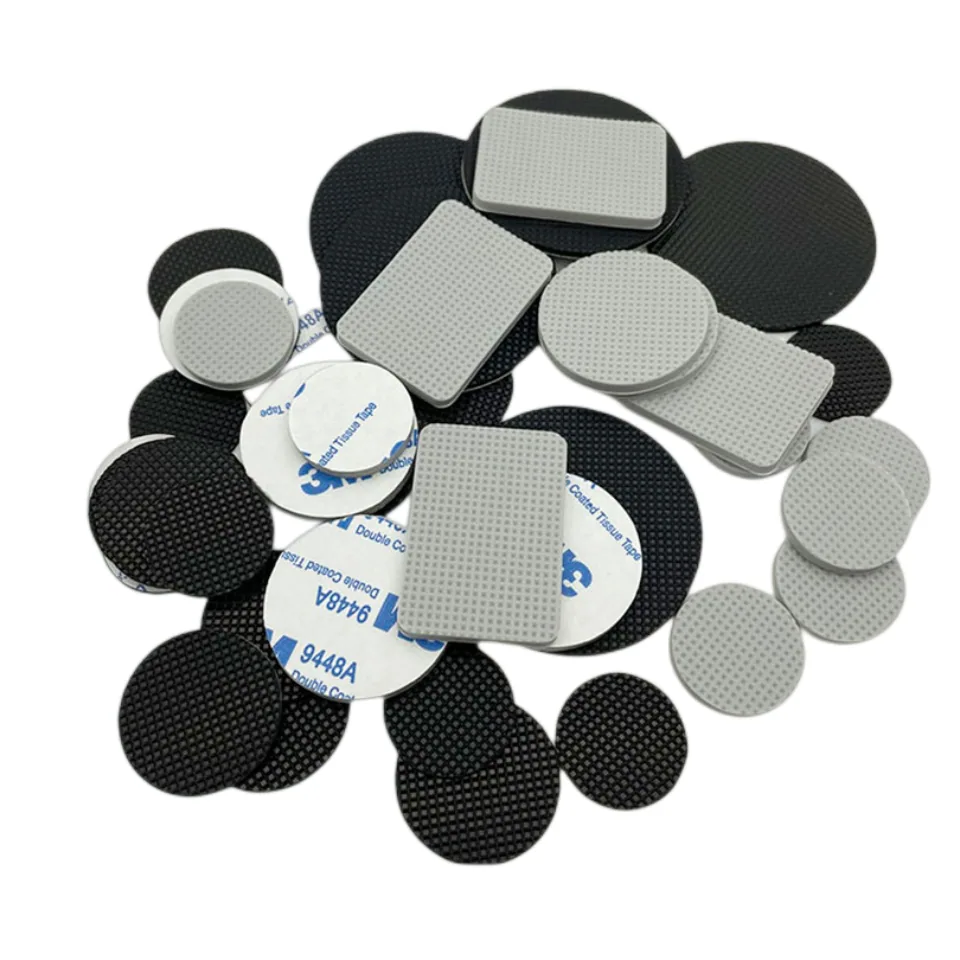
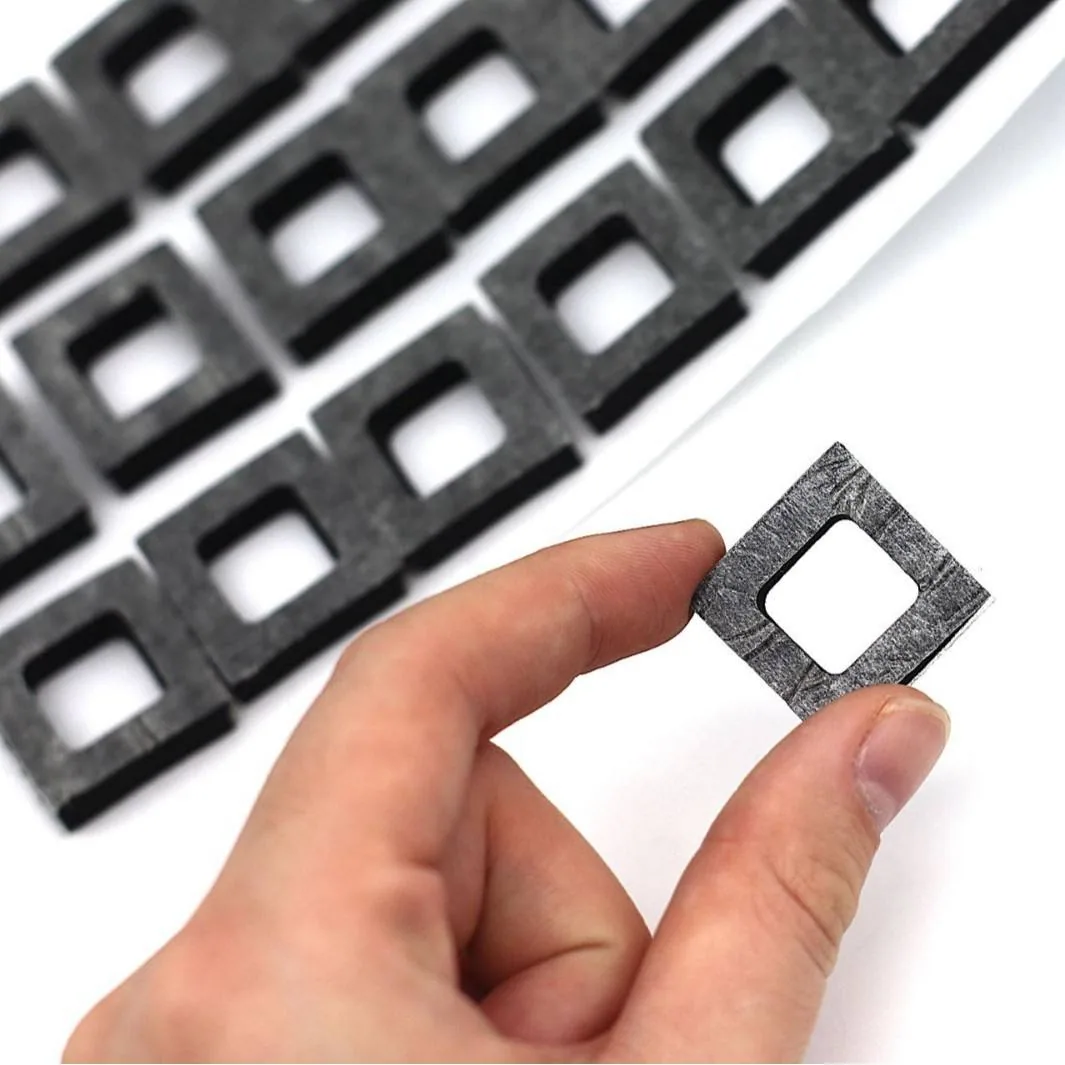
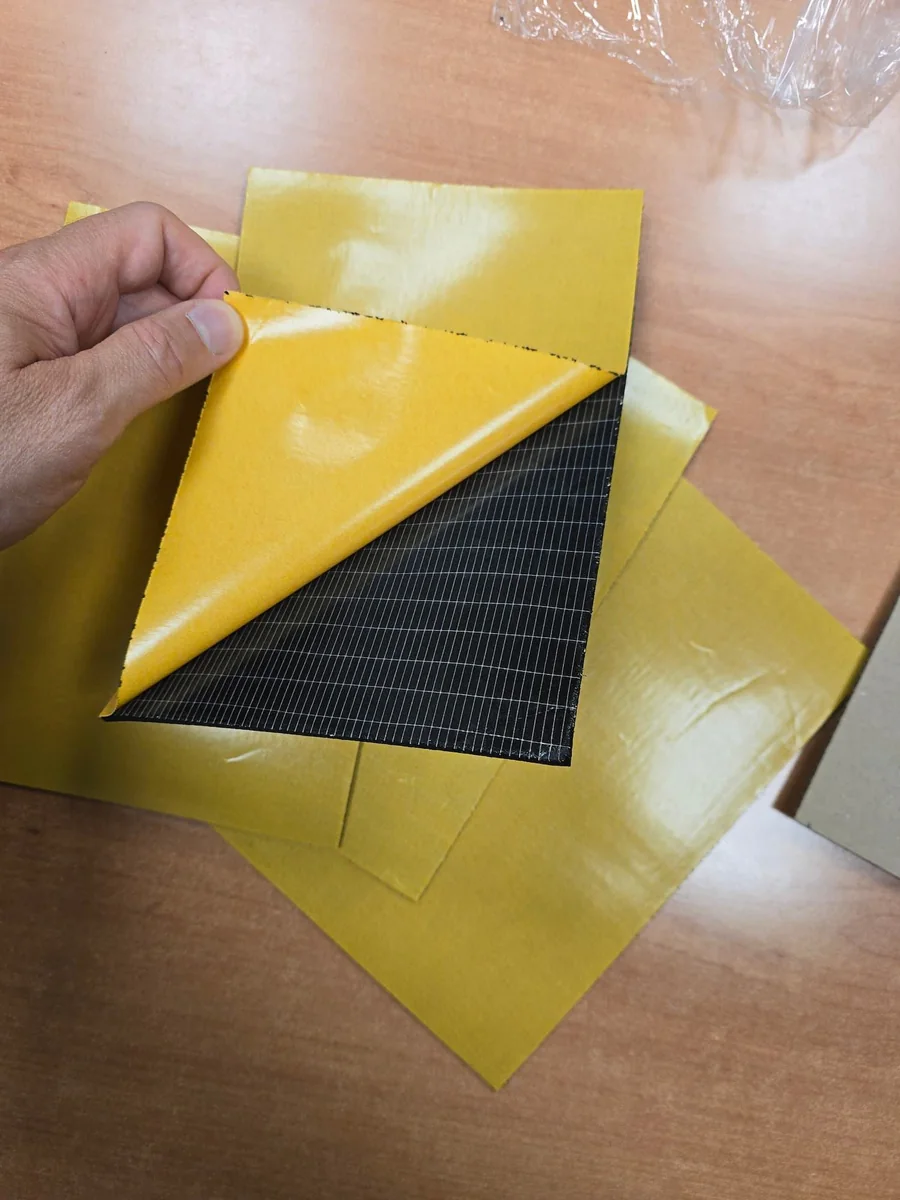
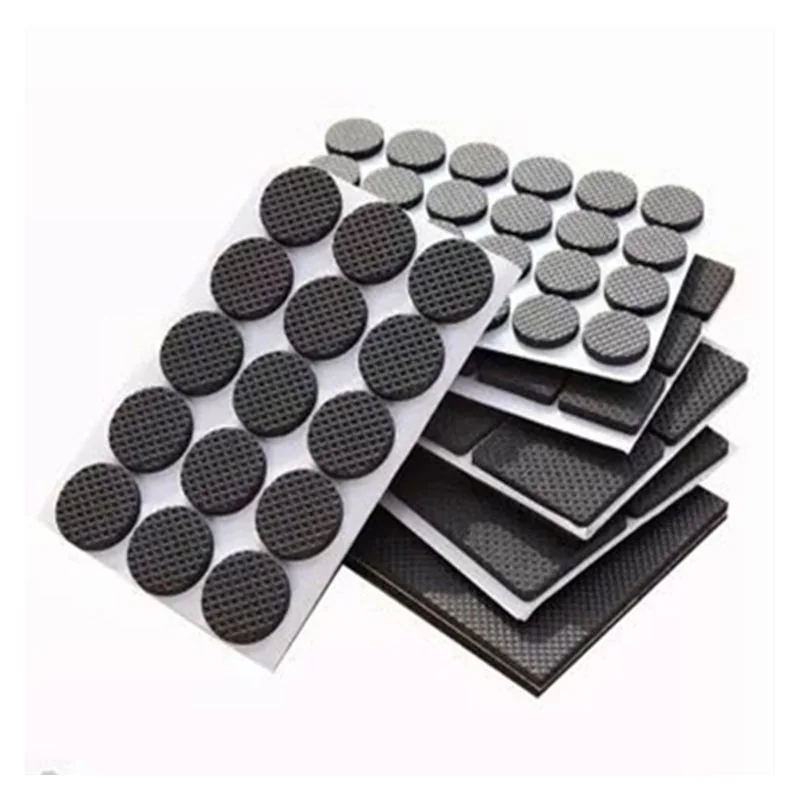
Compare materials by the conditions they need to address. Every material now uses its own card image, while the detail page shows a separate related production example.
Solid rubber materials for sealing, isolation and resilient contact interfaces.
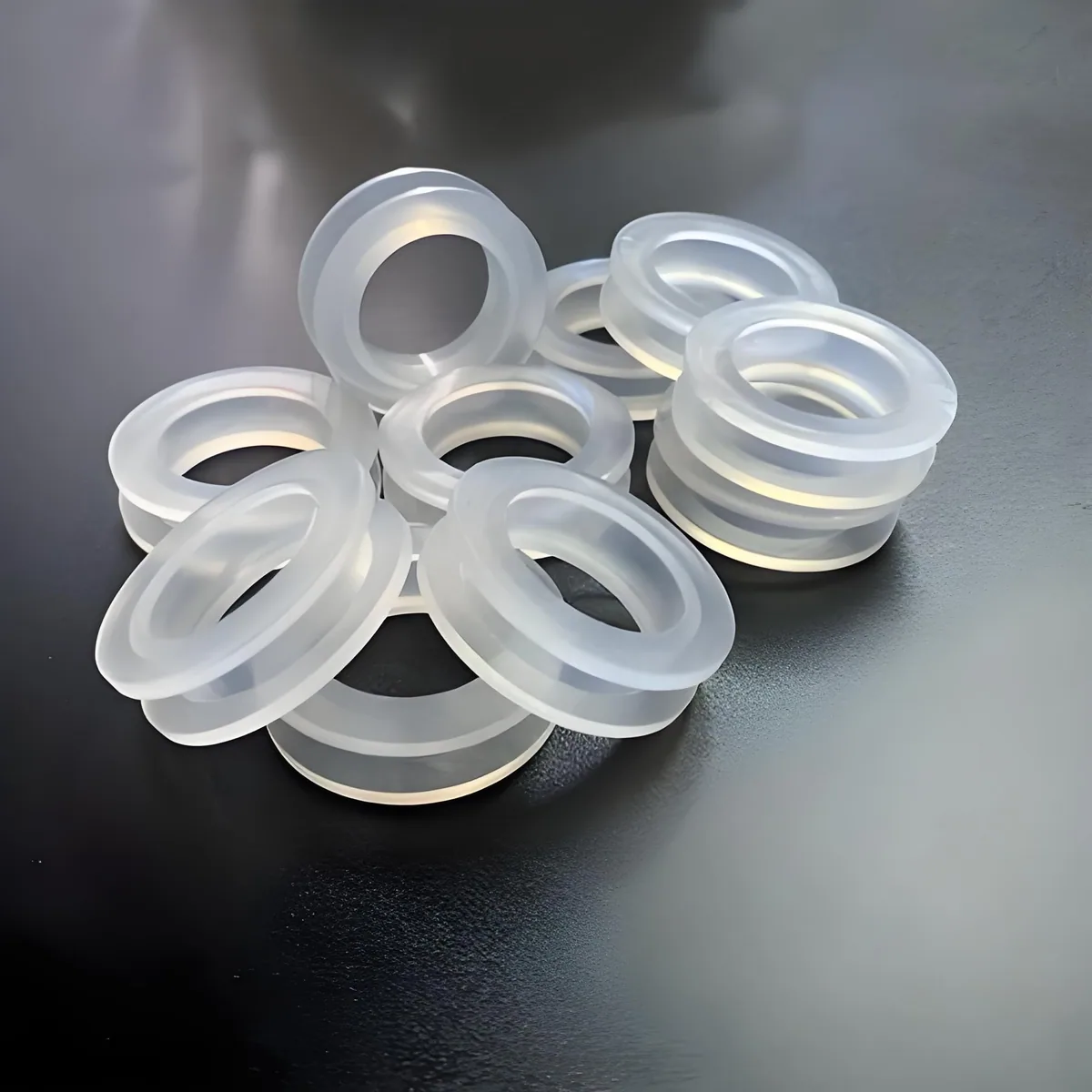 Material
 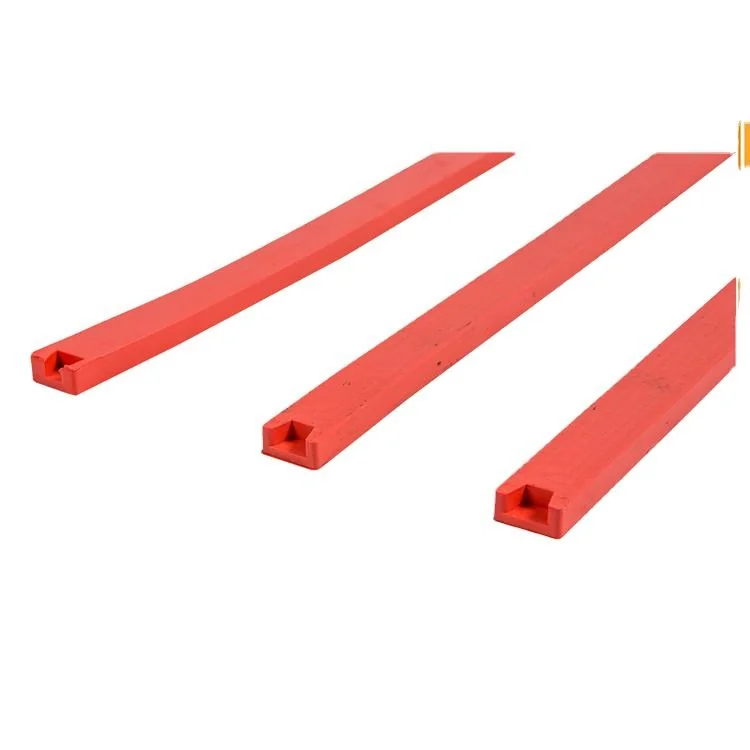 Material
 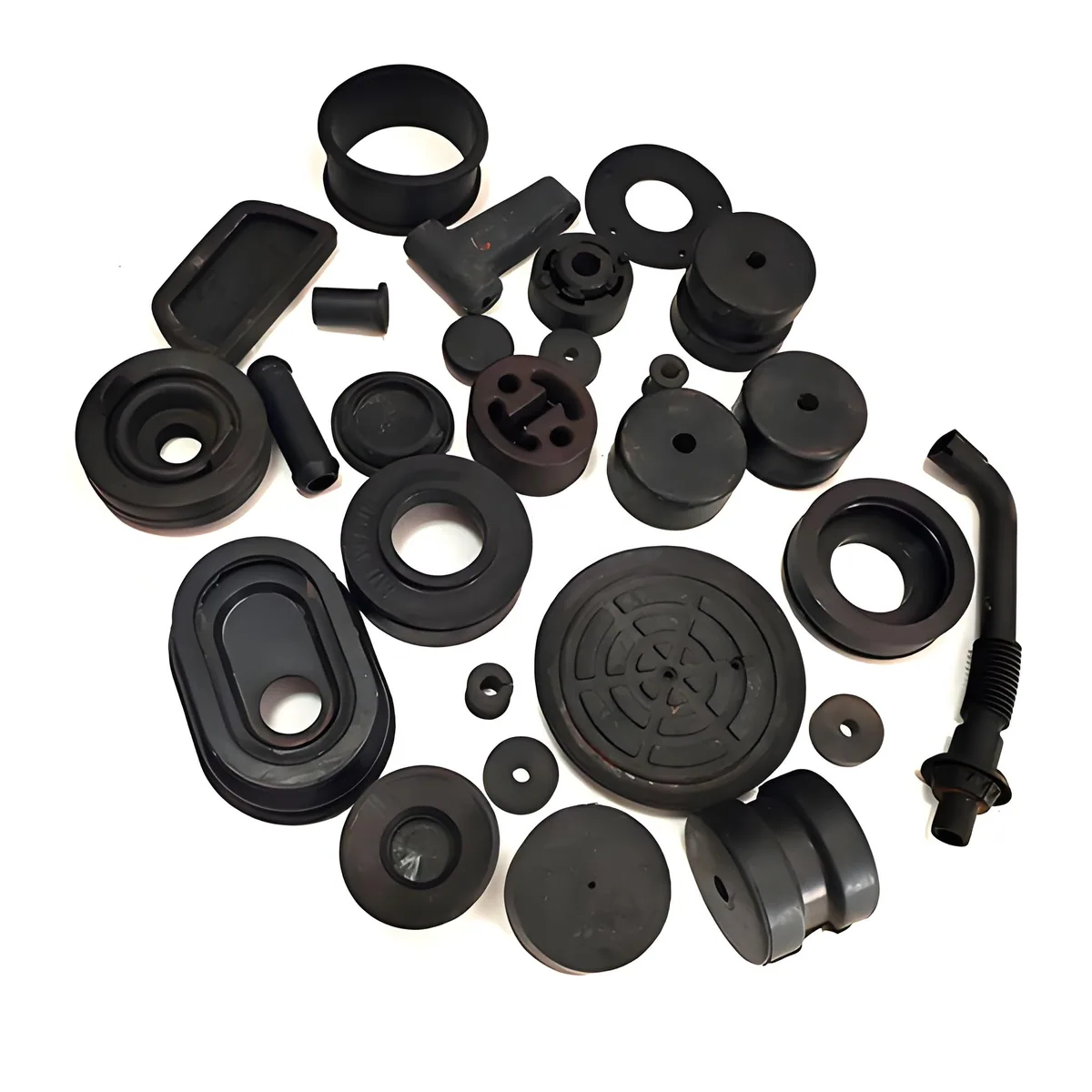 Material
 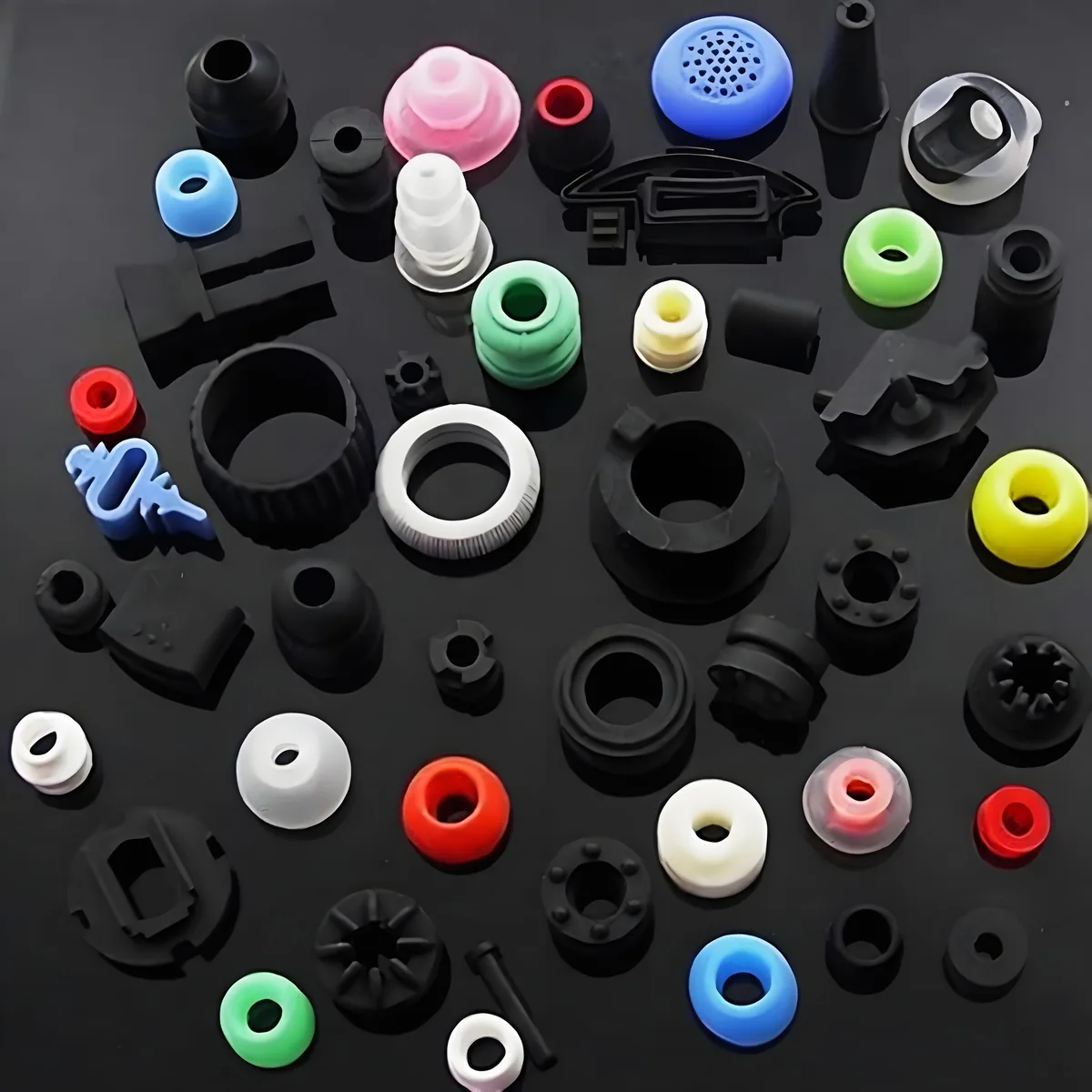 Material
  Material
 Compressible materials for lower-force sealing, cushioning and protection.
 Material
  Material
  Material
 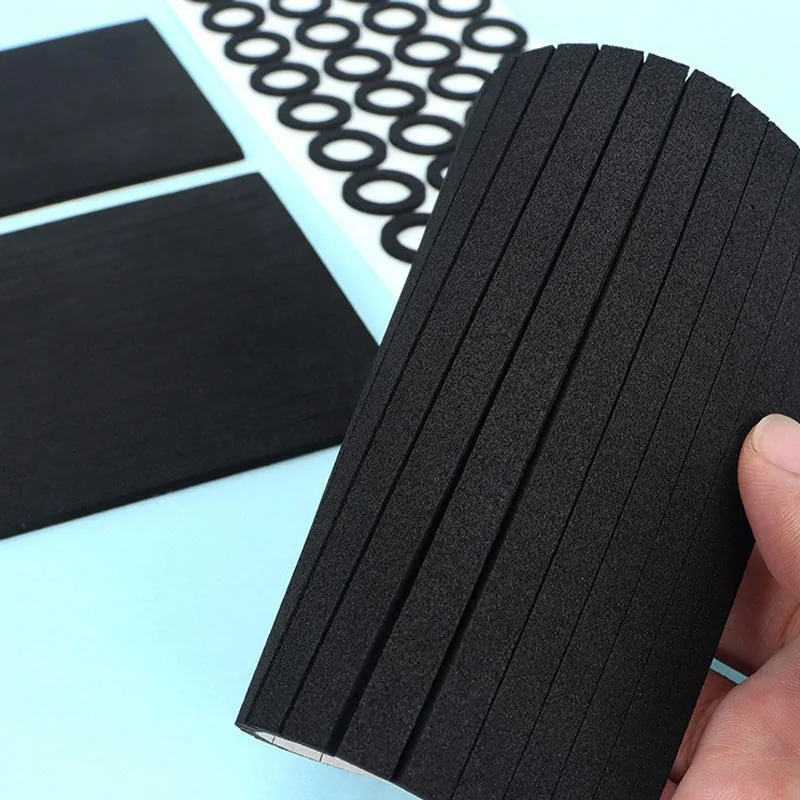 Material
 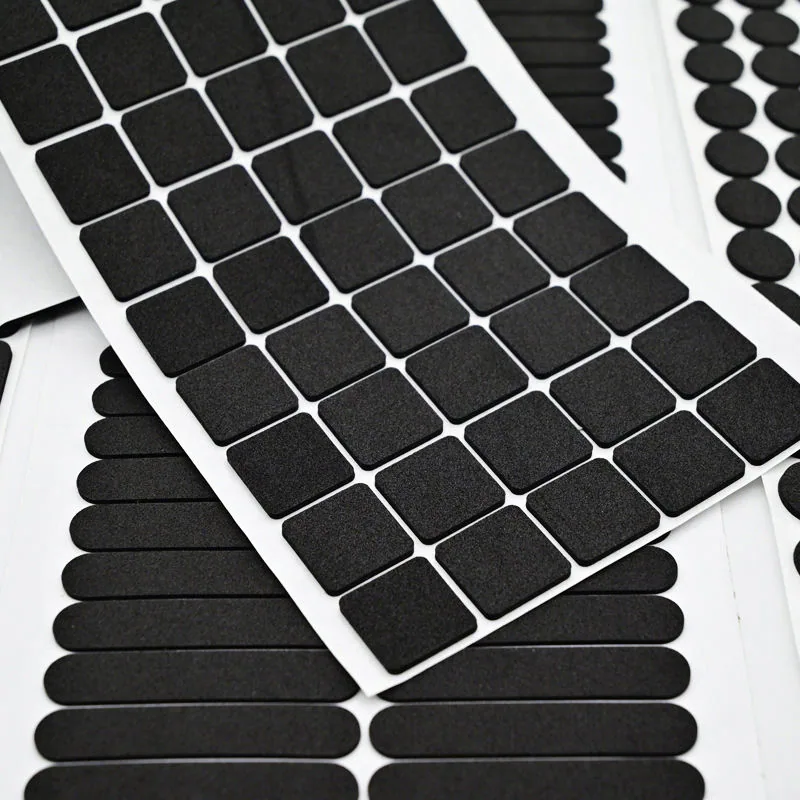 Material
 Materials selected around specific media, construction or reinforcement considerations.
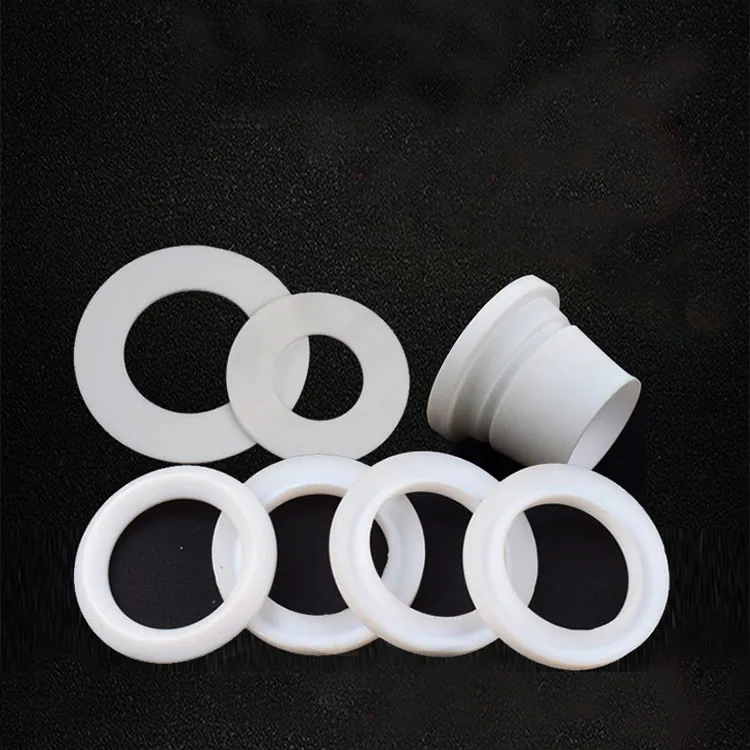 Material
 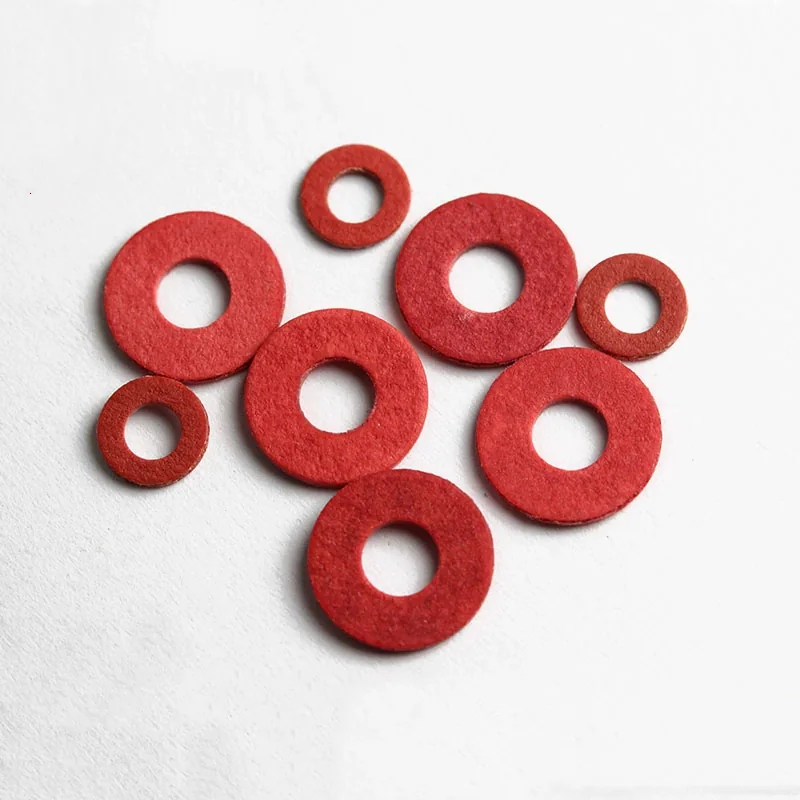 Material
 Materials for surface protection, damping, flow-related inserts and project-specific interfaces.
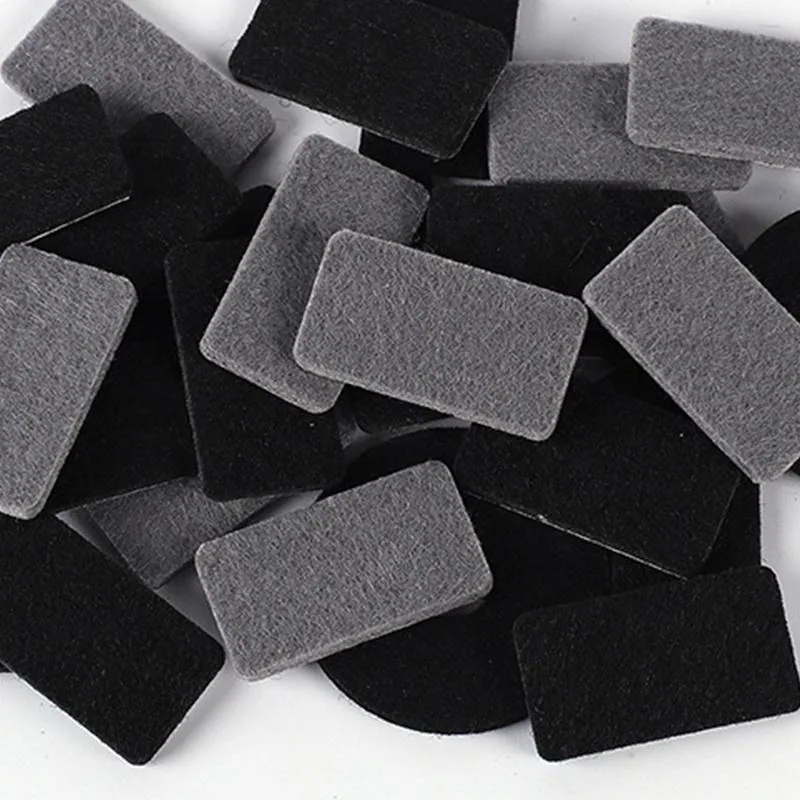 Material
 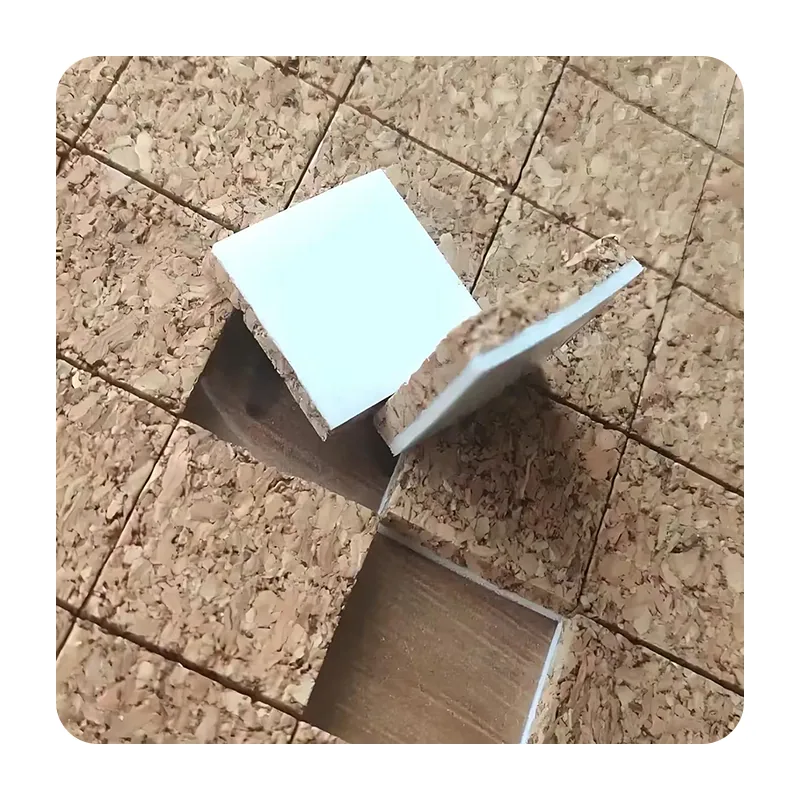 Material
 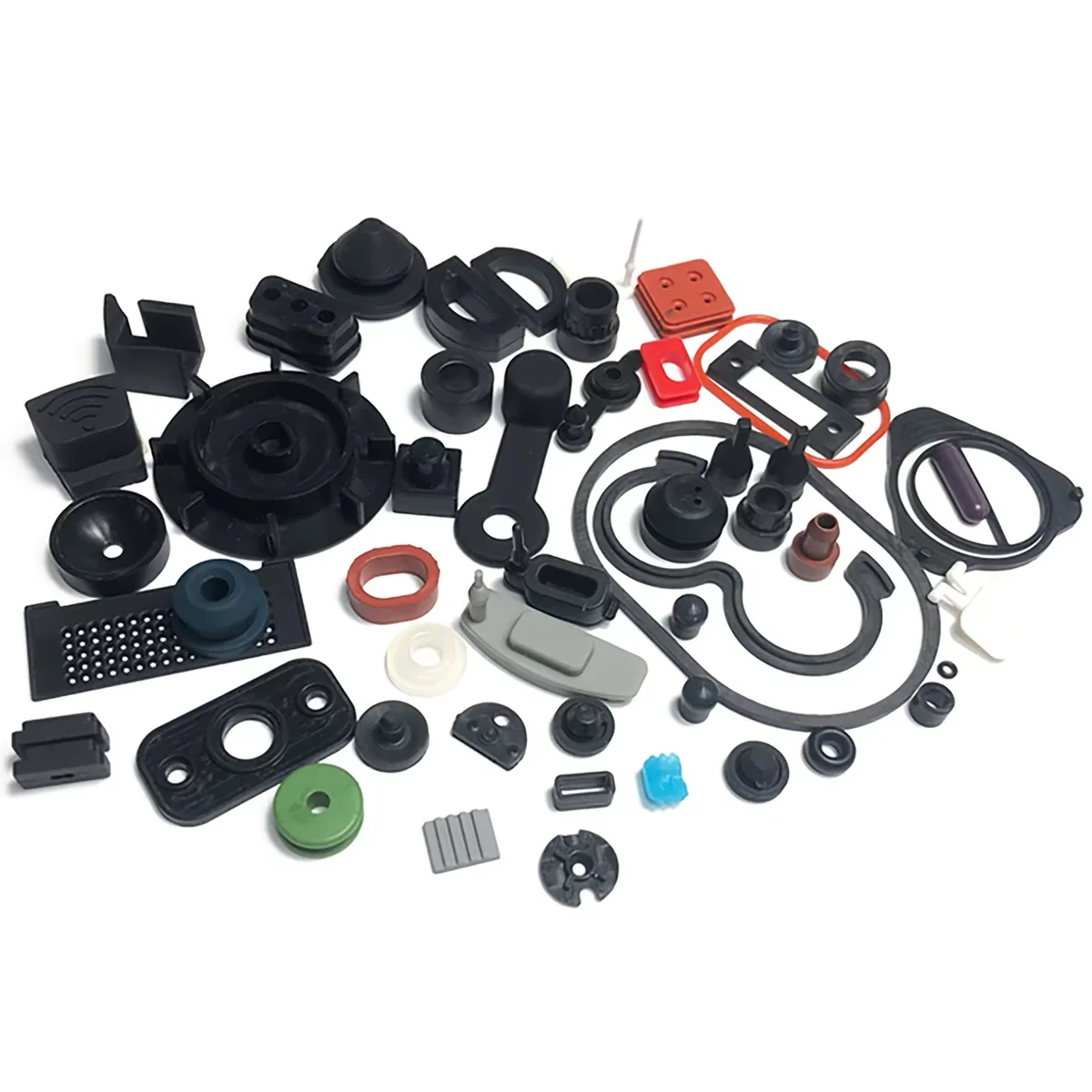 Material
 SELECTION MATRIX
Relative guidance only. Performance is grade-, construction- and application-dependent; this table is not a substitute for project validation.
| Material | Family | Relative strength | Common use | Key selection factor | Consideration |
|---|---|---|---|---|---|
| EPDM Rubber | Solid elastomer | Outdoor weather and water exposure | Gaskets and seals | Environment and compression | Oil-related exposure needs separate review |
| NBR / Nitrile Rubber | Solid elastomer | Often considered around oil exposure | Gaskets, washers and pads | Fluid or oil contact | Confirm compound and media |
| Silicone Rubber | Solid elastomer | Useful where silicone-grade performance is needed | Gaskets and pads | Grade and environment | Construction remains project dependent |
| Foam Materials | Compressible foam | Low-force cushioning or sealing | Foam gaskets, seals and pads | Cell structure and recovery | Density and compression change behavior |
| PTFE | Specialty sheet | Specialty media and low-friction uses | Gaskets and interfaces | Media, load and temperature | Creep and sealing load require review |
| Felt / Cork | Soft or porous | Surface protection or compressibility | Pads and gasket constructions | Contact and exposure | Construction and fluid contact matter |
REQUIREMENT FIRST
These are starting questions for a project review, not claims that a material automatically meets a named standard or certification.
EPDM is commonly considered where weather, water and outdoor exposure are important; confirm the actual compound and application.
NBR is often considered around oil-related exposure, while the exact fluid and material compound still need review.
Silicone, FKM or specialty material families may be considered depending on the actual grade and exposure conditions.
Foam construction, density, cell structure and available joint compression guide a cushioning or sealing review.
Material selection works with joint geometry, compression and the assembled-system validation—not material name alone.
Felt and foam materials can be reviewed where contact protection, noise reduction or cushioning are the primary functions.
The required isolation function, material construction and assembled design should be defined before selection.
Where food-contact requirements apply, exact grade and supporting compliance documentation must be confirmed for the project.
PROJECT INPUTS
Material selection is more reliable when the project describes the service conditions as well as the part shape.
What fluid, chemical or mating surface contacts the part?
Is it indoors, outdoors, wet, dusty or exposed to temperature change?
Does the part need to seal, cushion, protect, isolate or manage flow?
How much compression is available and how is the part mounted?
Are project-specific regulatory or material documents required?
MATERIAL, PART & PROCESS
The selected sheet material needs to work with the part profile, thickness or construction, and the appropriate cutting or converting route. Review the part hub for geometry and the capabilities hub for manufacturing choices.
Start with the function of the gasket, then identify media exposure, temperature conditions, outdoor or indoor use, available compression, joint geometry and any documentation requirements. The material family is a useful starting point, but final suitability depends on the selected grade and construction.
No. Foam, rubber, silicone and adhesive constructions vary by grade. The project should confirm the actual material grade, thickness, density or cell structure, and the application conditions before a specification is finalized.
Where food-contact requirements apply, the exact material grade and supporting compliance documentation must be confirmed for the project. A material family name alone is not a compliance claim.
DRAWING-BASED MANUFACTURING
Share the drawing, part function, exposure conditions, available thickness, quantity and any documentation requirement for a focused material review.